
To remove the harmful pathogens, it is not sufficient to wash hands in a short time under running water. Washing hands properly requires a minimum of 20 seconds of rubbing which involves palms, hand backs, interfinger, and under nails. Friction is very essential in a physical elimination of microbes in skin.
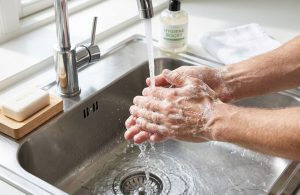
Molecules of soap separate oils and dirt that entrap bacteria and viruses. Germs might not be removed after proper scrubbing time and will be transferred when they are touched. Technological uniformity is the best assurance of protection.
Hand Sanitizer vs. Soap
Hand sanitizers consisting of disinfectant that has at least 60 percent content are convenient substitutes to substitute the use of soap and water. They are helpful when used against most popular pathogens but are not effective to eliminate visible dirt or some chemical contaminants. Soap will be the better choice in cases when hands are greasy or dirty.
Keeping Skin Clean And Protecting It
Handwashing may also be dry or irritated due to frequent handwashing. Wearing fragrance free moisturizers also assists in preserving the natural barrier of the skin. Skin that is healthy decreases the chances of cracks through which bacteria can penetrate.
Excessive dryness is also avoided by use of mild soaps and use of lukewarm water. The hygiene practices are sustainable in the long run when they are taken care of properly. The clean hands should not be at the cost of the skins.
Conclusion
Hand hygiene is to be considered in terms of technique, timing and consistency. Setting up routine hygiene practices does not only save lives but also whole communities. Our behaviors that include high hygienic practices make the family, school, and working environments safer.