
The implementation of touch-free technologies has become an essential element in maintaining hygiene standards in public places. The installation of hands-free devices is common practice within commercial institutions, educational establishments, and health care organizations. They assist in the reduction of bacteria and germs spread through contact.
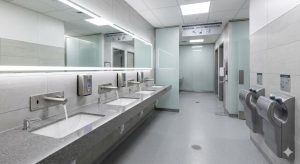
Many individuals realize that the spread of illnesses is possible when one comes into contact with surfaces that he/she touches frequently. The ways we communicate with the environment have transformed due to changing hygiene trends.
Contactless Payments for Safer Transactions
Purchasing with e-wallets and tap-to-pay has become a convenient option for customers at stores and restaurants. These technologies lower the need to exchange cash and cut down on physical contact when it comes to transactions.
Promoting Hygiene Awareness
Decent companies should be clean and have adequate sanitation facilities in place. To address the higher standards of hygiene, the use of touchless technology is being implemented in restaurants, gyms, and travel hubs. When the hygiene conditions are visible to the customer/visitors, public trust will often be enhanced.
End Notes
Touch-free technology is enhancing the way communities are tackling hygiene and safety in public health. These improvements include automated restrooms and contactless payments, which limit the need for unnecessary contact with surfaces in day-to-day life. It is also becoming apparent to businesses that the standards of hygiene can impact customer satisfaction and trust in the modern world. As technology advances, touch-free systems could become a staple in healthier public areas.