
Handwashing is a simple behavior, but it plays a major role in reducing the spread of many infectious microorganisms. Hands frequently come into contact with surfaces, food, the face, and other people.
How Germs Move
Microorganisms can transfer from contaminated surfaces to hands. Touching the eyes, nose, or mouth can then provide a pathway for some organisms to enter the body.
Hands can also transfer microorganisms to food or other people.
Why Soap Works
Water alone can remove some dirt and microorganisms, but soap makes handwashing more effective. Soap helps loosen oils and particles from the skin so they can be rinsed away. Effective handwashing involves wetting the hands, applying soap, rubbing all surfaces thoroughly, rinsing, and drying.
When Should You Wash?
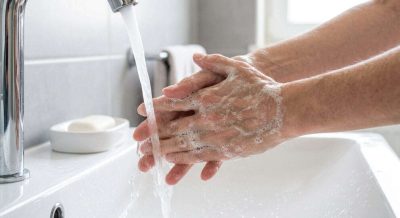 Important times include before preparing or eating food, after using the toilet, after coughing or sneezing, after caring for someone who is sick, after handling potentially contaminated materials, and after activities involving animals or waste. The exact situations can vary depending on circumstances.
What About Hand Sanitizer?
Alcohol-based hand sanitizer can be useful when soap and water are unavailable, particularly when hands are not visibly dirty. However, handwashing with soap and water is preferred in many situations. Sanitizer should also be stored safely, particularly around young children.
Teaching Hygiene Early
Children can learn handwashing as part of everyday routines. Adults can make the habit easier by providing soap, clean water, and accessible sinks.
Good hygiene is not about eliminating every microorganism. Many microorganisms are harmless or beneficial. Instead, hygiene practices aim to reduce exposure to pathogens that can cause disease.
Conclusion
Handwashing is inexpensive, accessible, and effective when performed correctly. Making it part of everyday routines can help reduce the transmission of many infections and support healthier communities.